Septic tank emptying is the process of removing built-up waste from a septic tank so the whole septic system can keep working properly. It is essential for homes and properties that are not connected to mains sewage. Regular septic tank emptying helps prevent blockages, reduces unpleasant odours, and lowers the risk of system failure that can lead to costly repairs.
A septic tank is a sealed container that collects wastewater from your home. Wastewater comes from toilets, sinks, showers, and washing machines. Inside the tank, solids settle at the bottom as sludge, while oils and fats float to the top. Helpful bacteria break down some of the waste, but not all of it. Over time, sludge builds up and must be removed to ensure the system keeps treating sewage safely and protects the surrounding environment.
What Does Septic Tank Emptying Involve?
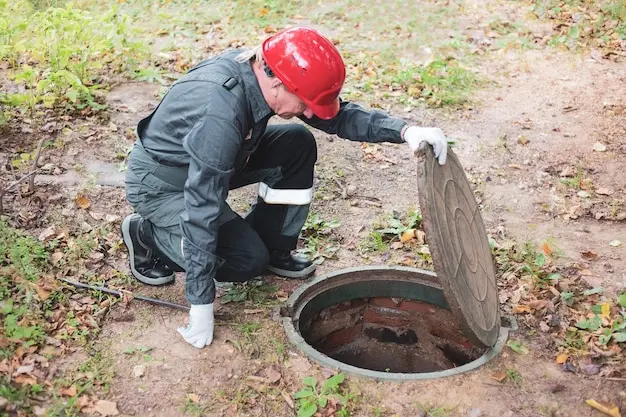
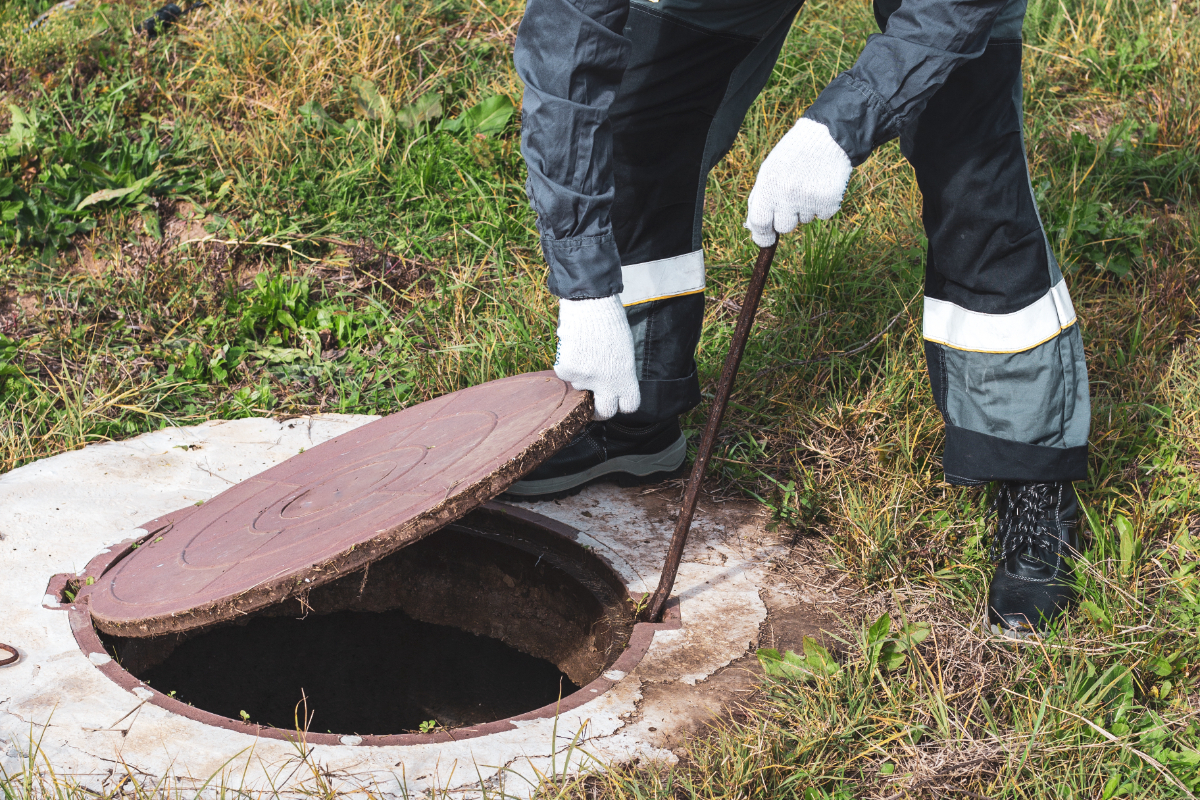
A professional service usually starts with an inspection. The team will find the access point, open the cover, and check the sludge level, liquid level, and any signs of damage. They may also look for issues linked to pipes, drains, and nearby ground conditions, because problems in one part of the system can lead to backups elsewhere.
Next, the tank is emptied using specialist equipment, typically a vacuum tanker with a long hose. The operator will remove the sludge and the liquid waste so the tank has space again. This removes solid waste that cannot be broken down fully by bacteria. Emptying services should remove and handle this waste management step safely, because sewage can carry germs that create health hazards.
After pumping, the tank may be rinsed with clean water to help remove remaining solids stuck to the sides. The aim is to reduce the chance of clogs and to help the tank work normally again. The collected waste is then taken to licensed treatment plants, where it is processed in line with regulations. This is crucial for compliance and for protecting soil, local water, and the wider environment.
Why Regular Emptying Matters for Your Septic System
Regular emptying helps keep your septic tanks working as designed. When a tank becomes too full, sludge can move out of the tank and into the drain field. This can clog the soil and stop wastewater from soaking away properly.
If that happens, it can lead to overflows, foul odours, and leaks. In the worst cases, sewage can surface on your site and create environmental hazards and serious health risks for people and pets.
A full tank also puts extra strain on the system. Waste can back up through pipes, leading to slow drains and toilet problems inside the home. If ignored, these issues can cause damage to the tank and connected parts, such as baffles, filters, and pipework. That kind of damage often leads to repairs that cost far more than regular septic tank emptying, especially if solids reach the soakaway and create long-term problems.

How Often Should a Septic Tank Be Emptied?
How often your septic tank should be emptied depends on several factors. Tank size is a major one. A smaller tank fills more quickly and may need emptying every year. A larger tank may last longer, but it still needs checking, because a big tank can also fill fast if the household creates a lot of wastewater.
The number of people living in the home also matters. More people means more water use, more solids, and more sludge. For example, a family home with frequent baths, washing, and heavy toilet use will typically need emptying more often than a property with one or two occupants.
Water use habits play a big part too. Long showers, lots of laundry loads, and running taps for long periods add extra liquid into the system. This can push solids out of the tank before they have time to settle, which can lead to blockages in the drain field and cause potential issues later.
A service company can use past information, service records, and inspection results to advise on a sensible frequency for your property.
What Affects the Cost of Tank Emptying?
The cost of septic tank emptying varies between properties and providers. One factor is access. If the tanker cannot get close to the tank, a longer hose may be needed and the job can take more time. Tank size also affects the price, because larger tanks take longer to pump and may require more capacity in the vacuum tanker.
Another factor is the condition of the system. If the tank has been left too long, sludge may be very thick and harder to remove. If blockages, backups, or overflows have already happened, the provider may need to carry out extra work, such as checking pipes, clearing clogs, or advising on repairs. Location, local disposal charges, and whether you need a same-day call-out can also affect the final cost.

Signs Your Septic Tank Needs Emptying
Common signs your septic tank needs emptying include slow-draining sinks, showers, and baths. You might also hear gurgling in the pipes or notice toilets flushing poorly. These signs can point to a full tank, a blockage, or clogs building up in the system.
Foul smells and unpleasant odours are also warnings. Foul odours near drains, around the tank, or in the garden can mean gases and sewage are not being contained properly. If there are backups inside the home, especially from lower drains, it is often a sign that the system is overloaded and needs attention quickly.
Outside, you may spot wet patches, standing water, or very green grass over the drain field. This can happen when wastewater is not draining into the soil as it should. These signs can also appear if there are leaks or damage, so it is important to find the cause and not just assume it is a timing issue.
If you are unsure what is happening, a trained team can check the tank, the pipes, and the drains, then explain what they find and what to do next.
Looking After the Drain Field and Soil
The drain field, sometimes called the soakaway, is the area where wastewater leaves the tank and filters through the soil. It is a key part of sewage treatment, so it must be protected. If solids enter the drain field, they can form a layer that stops water from soaking away. This can lead to long-term problems and may reduce the lifespan of the whole septic system.
To help protect the drain field, avoid driving or parking vehicles over it, because weight can break pipes and compact the soil. Try to keep surface water away too, as extra rainwater can overload the area. Proper maintenance of this part of the system is just as important as emptying the tank.
Keeping Your Septic System Healthy Between Services
Regular maintenance does not stop when the tanker leaves. Simple habits can help keep your septic working well. Use water carefully, fix dripping taps, and spread out washing loads where possible. This helps prevent sudden surges that push solids into the drain field.
Be careful about what goes down toilets and sinks. Wipes, nappies, sanitary items, cotton buds, and cooking fats can cause blockages and add to sludge. Strong chemicals can also harm the bacteria that help break down waste. If the bacteria are damaged, solids can build up faster and lead to problems sooner.
Regular checks also matter. Even if you follow a set emptying schedule, a quick inspection now and then can spot potential issues early, such as cracks, leaks, or signs of overloading. Catching these problems early can help avoid system failure and extend the life of your tank. Good habits between services can also reduce the chance of emergency call-outs and help keep your system working reliably throughout the year.

Regulations, Compliance, and Responsible Waste Disposal
Septic systems must be managed responsibly to protect the environment. Waste should be removed and taken to approved facilities, and the work should follow local regulations. Using a reputable service helps ensure compliance and reduces the risk of pollution. It also gives property owners peace of mind that wastewater and sewage are being handled correctly.
Keeping records is also helpful. Service notes, dates, and any advice you receive can support future maintenance planning. This information can be useful if you sell your home, manage multiple properties, or need to show that the system has been maintained properly.
Septic Tank Emptying: When to Call for Help
Some situations need fast action. If you have sewage backing up into the home, toilets overflowing, or strong foul smells that do not go away, contact a professional as soon as possible. Many emptying services offer 24/7 support for urgent issues, especially when there is a risk to health or damage to the property.
If you are unsure what is happening, it is still worth getting advice. A trained team can check the tank, the pipes, and the drains, then explain what they find and what to do next. If you would like help arranging regular septic tank emptying, or you think your septic tank needs emptying today, contact us to book a visit and keep your septic system working safely.
We provide professional septic tank emptying services for Helston, Penzance, Redruth and Cornwall. Our experienced team provides fast, reliable waste removal services to help prevent blockages, overflows, and system damage. All waste is handled responsibly and taken to licensed treatment facilities to support compliance and protect the local environment.