Discover the risks of delaying cesspit emptying. Avoid overflows, bad odours, and costly repairs with reliable, professional service.
Increased Risk of Overflow and Flooding
One of the clearest risks of delaying cesspit emptying is overflow. A cesspit has limited storage space, so once it reaches capacity, there is nowhere for new wastewater to go. Every flush, shower, load of washing or sink full of water adds to the pressure inside the tank. If it is not emptied in time, the system can no longer cope with normal household use.
When overflow happens, wastewater may back up into toilets, sinks, baths or drains inside the property. This can be distressing for the people living there and may force parts of the home out of use until the issue is dealt with. Internal flooding is particularly unpleasant because the water involved is contaminated and can soak into floors, carpets and lower walls.
Overflow can also happen outside the property. Wastewater may rise through inspection covers, gullies or nearby ground surfaces, creating wet and polluted areas around the tank or drainage route. In gardens, driveways or paths, this can leave standing foul water that is dangerous and difficult to clean up. It can also make access to parts of the property unsafe.
The financial impact of flooding can be severe. Emergency emptying often costs more than planned maintenance, and clean-up work may involve specialist sanitation, repairs to damaged materials and temporary disruption to the household. In some cases, people also face added costs from replacing furnishings, drying out structures and restoring outdoor areas that have been contaminated.
Bad Smells Around the Property
A cesspit that is not emptied on time often begins to produce stronger and more noticeable smells. As waste sits for longer and the tank becomes overfilled, gases from decomposing sewage can build up and escape through covers, vents or nearby drains. These smells are not just unpleasant for those living at the property. They can spread into gardens, shared spaces and neighbouring land.
At first, the smell may come and go. People may notice it more on warm days, after heavy water use or when the wind changes direction. Over time, however, the odour can become constant. This can make it hard to enjoy outdoor areas, open windows or spend time near entrances, patios or washing lines. The home may begin to feel less comfortable and less hygienic.
Bad smells can also be a warning sign that the cesspit is too full or that waste is not being contained properly. If sewage odours are becoming stronger, it may mean gases are escaping because the system is under pressure.
Ignoring the smell and hoping it will pass can allow the underlying problem to worsen, increasing the chance of overflow or other damage.
There can also be social consequences. Strong sewage smells can affect visitors, neighbours and anyone nearby. This may lead to complaints, embarrassment and concern about the condition of the property.
For landlords, holiday lets or businesses in rural settings, unpleasant odours can damage reputation as well as comfort. Prompt emptying helps avoid these avoidable problems from developing.
Damage to Your Drainage System
Delaying cesspit emptying can place extra strain on the entire drainage system connected to it. Pipes, fittings and outlets are designed to move wastewater away from the property and into the tank. When the tank is nearly full, that flow slows down. Wastewater may begin to sit in the pipes for longer, increasing pressure and reducing the system’s ability to work properly.
This can sometimes lead to slow drainage throughout your property. Toilets may flush less effectively, your sinks may empty more slowly, and baths may hold water for longer than usual. These signs are sometimes blamed on a minor blockage inside the home, but the real problem may be the cesspit itself. If the tank remains full, the drainage system continues to struggle, and the condition of the pipework can gradually worsen.
Over time, repeated pressure and poor flow can increase the risk of blockages. Solid waste and other material may collect in pipe runs that would normally clear more easily. Once a blockage forms, it can affect one part of the property or the whole drainage network. Clearing these obstructions may require specialist equipment, inspection and repair, all of which add to the cost of delayed maintenance.
In more serious cases, parts of the drainage system may become damaged. Joints can weaken, pipes can crack, and seals can fail, especially in older systems. Ground movement caused by leakage or oversaturation can also affect buried pipework. What could have been avoided with routine emptying may turn into a more complex repair job involving excavation, part replacement and significant disruption to the property.
Health Risks from Waste Build-Up
Stored sewage contains harmful bacteria, viruses and other contaminants that can pose a serious risk to human health. A cesspit is meant to keep that waste safely enclosed until it is removed. When emptying is delayed, and the tank becomes too full, the chances of contact with contaminated material increase. This is especially dangerous if there is backing up inside the home or seepage outside.
If wastewater overflows or leaks, people may come into direct contact with polluted water through cleaning, walking through affected areas or using contaminated fixtures. Children and pets are particularly vulnerable because they may not recognise the danger. Even brief exposure can present a risk if waste comes into contact with skin, eyes, food preparation areas or household surfaces.
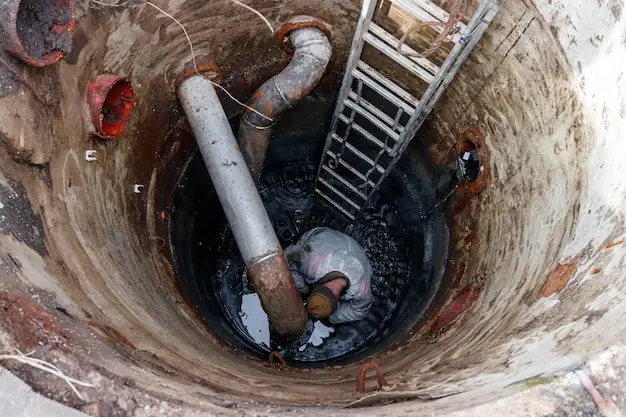
There is also a wider hygiene concern inside the property. A backed-up toilet or drain can spread contamination into bathrooms, utility rooms or lower ground floor spaces. Once sewage enters the home, it is not enough to simply dry the area. The space needs proper cleaning and disinfection to reduce the risk of illness. Without thorough sanitation, harmful germs may remain on surfaces and in soft furnishings.
The stress caused by a waste-related incident should not be overlooked either. Living with bad smells, restricted facilities, and concern about contamination can be upsetting and exhausting. For households with young children, older relatives or anyone with a weakened immune system, the pressure can be even greater. Frequent emptying helps limit the chances of exposure and supports a safer, healthier living environment.
Environmental Harm and Ground Pollution
A delayed cesspit emptying schedule can have effects beyond the property itself. If the tank overflows or starts to leak, untreated sewage can enter the surrounding ground. Because a cesspit does not clean or process waste, anything that escapes is still heavily polluted. This creates a serious risk to soil quality and can damage the local environment.
Ground pollution is a major concern where wastewater is repeatedly released or left unnoticed for too long. The affected area may become saturated with contaminated liquid, making the land unpleasant, unsafe and harder to restore. Grass and plants can suffer, and the condition of the soil may change over time. In some locations, pollution can spread further than expected through the ground below the surface.
There is also a risk to nearby water sources. If sewage moves through the soil, it may reach ditches, streams or groundwater, depending on the local conditions. This can harm wildlife, affect plant life and create wider environmental damage that is costly and difficult to address. In rural areas, especially, the impact may extend well beyond the boundary of one property.
Environmental harm can also bring legal and practical consequences. Property owners may face investigation, clean-up duties or extra costs if pollution is linked to poor maintenance. Even where formal action is not taken, the responsibility to sort out the damage can be substantial. Keeping to a proper emptying schedule is one of the simplest ways to decrease the risks of pollution and protect both the property and the land around it.
We provide professional cesspit emptying services for Helston, Penzance, Redruth and Cornwall. Our experienced team provides fast, reliable waste removal services to help prevent blockages, overflows, and system damage. All waste is handled responsibly and taken to licensed treatment facilities to support compliance and protect the local environment.