Understanding the difference between a cesspit and a septic tank is key for property owners. Find out how each system manages wastewater and what suits your site best.
What is a Cesspit vs Septic Tank
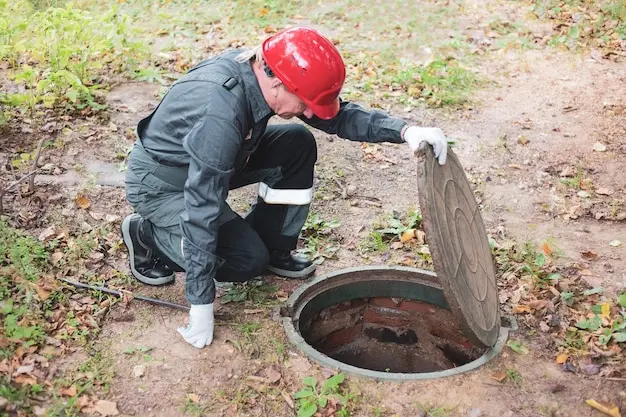
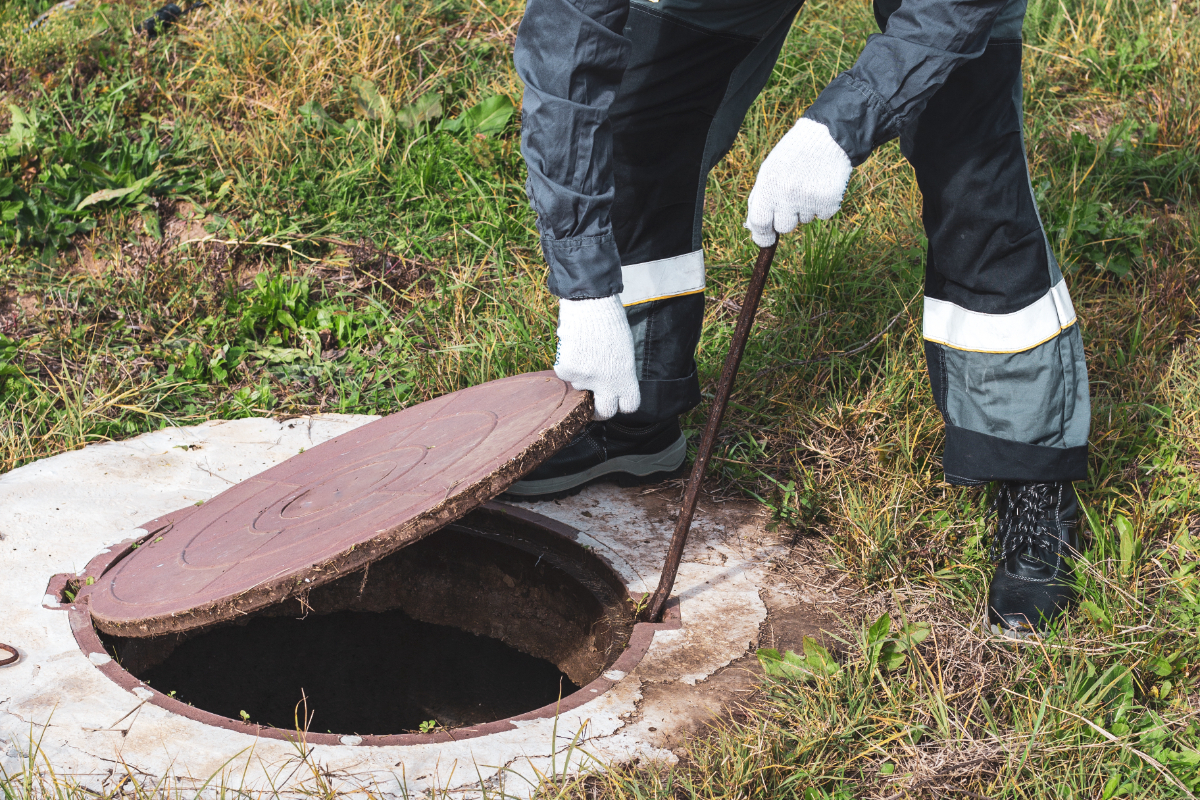
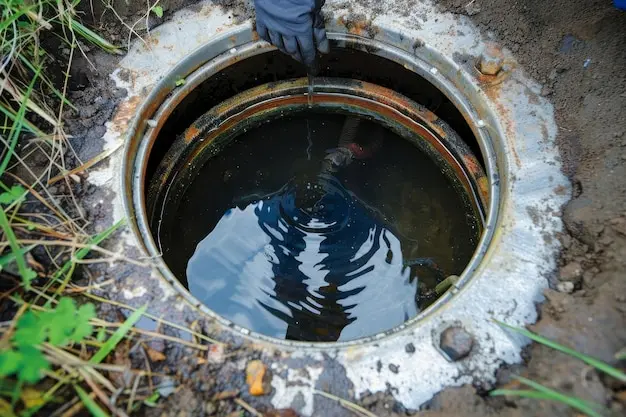
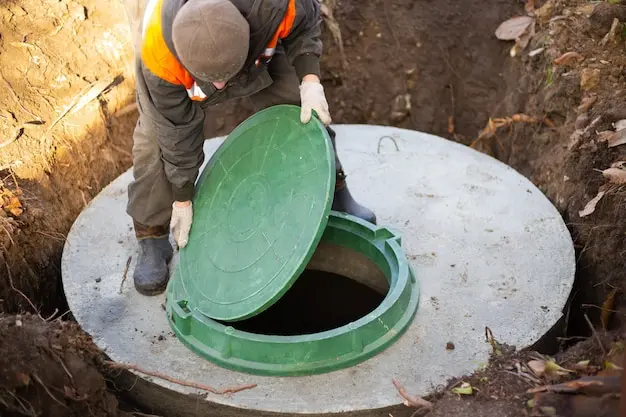
A cesspit is a sealed underground tank that collects wastewater and sewage from a property. Its main job is storage. It does not clean the waste or allow it to break down in any meaningful way. Everything that enters the tank stays there until it is removed by a licensed waste carrier. Because it is sealed, it typically relies on frequent emptying to stop it from becoming too full.
A septic tank is also an underground system for wastewater, but it works in a more advanced way. Instead of simply holding all waste, it separates solids, oils and liquids. The heavier solids settle at the bottom, while lighter materials such as grease and scum rise to the top. The liquid in the middle then flows out to a drainage area or soakaway, where further treatment takes place in the ground.
This means the two systems are built for different purposes. A cesspit is used where there is no safe or practical way for treated liquid to leave the system. It is often chosen for sites with poor ground conditions, limited space or drainage restrictions. A septic tank is more suited to properties where the land and soil conditions allow wastewater to continue through a treatment process after leaving the tank.
The design of each system affects how it is managed. A cesspit needs close attention because it can fill up quickly, especially in larger households. A septic tank still needs care, but because it treats and releases part of the wastewater, it does not usually fill at the same rate, making it a more active system rather than a simple storage unit.
If you would like to know more about septic tanks and how to maintain them, feel free to read our article on What Septic Tank Emptying Is and Why It Is Important.
How Waste Is Treated in Each System
In a cesspit, waste is not treated at all. All water from toilets, sinks, showers, washing machines and other household use flows into one sealed tank. Once inside, it remains there as raw sewage and wastewater. There is no natural cleaning stage built into the system, and no discharge of cleaner liquid into the ground. The contents only leave when a tanker removes them.
As there is no treatment, a cesspit is completely dependent on its capacity. Every litre of wastewater adds to the total volume inside the tank. This is why water use in the property has a direct effect on how often the tank needs emptying. A household with frequent laundry use, long showers or many occupants may fill a cesspit far faster than expected.
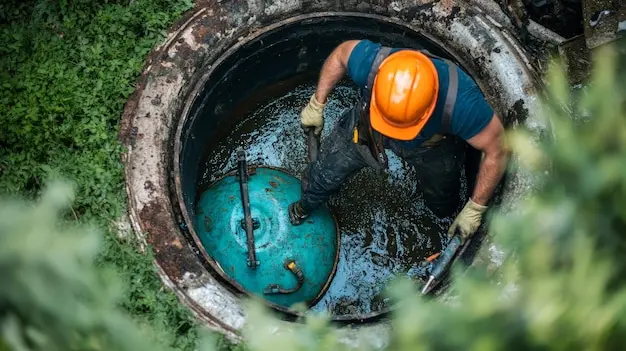
A septic tank works differently because it begins to treat the waste as soon as it enters the tank. Solids settle to the bottom and form sludge. Oils and fats float to the top and form a layer of scum.
Between these layers is liquid effluent, which is able to leave the tank and move into a drainage field or soakaway. In that next stage, the soil helps filter and break down harmful matter further.
Although a septic tank provides treatment, it does not make the waste harmless on its own. It is only the first stage in a much wider process. If the tank is not working properly or if the drainage field fails, the system can still cause serious problems. Even so, compared with a cesspit, a septic tank is designed to reduce the amount of waste that needs to be physically removed from the site.
Emptying and Maintenance Requirements
Cesspits often need emptying more frequently compared to septic tanks because they store all the wastewater instead of releasing it - hence why they tend to reach their maximum capacity much sooner. The particular schedule usually depends on the size of the tank and the level of water use. Some properties may need emptying every few weeks, while others may manage with less frequent visits. Owners must monitor levels carefully to avoid overflow.
The maintenance of a cesspit is mainly about preventing it from becoming too full and making sure the structure remains sound. The tank must stay watertight, and any signs of leaks, strong odours or backing up in the drains should be treated as warning signs. Access covers, inlets and connecting pipework should also be checked, because a problem in any of these areas can lead to major disruption.
A septic tank still needs emptying, but usually less often. Because much of the liquid leaves the system after separation, only the build-up of sludge and scum inside the tank needs to be removed. This often means emptying is needed less frequently than with a cesspit, though the exact timing depends on the tank size, number of users and how well the system is looked after.
Maintenance for a septic tank is broader because more parts of the system need to work together. The tank itself must remain in good condition, but the soakaway or drainage field must also be protected. If too much sludge is allowed to build up, it can pass into the outlet and block the drainage area. That can lead to slow drains, wet patches in the garden, foul smells and expensive repair work.
Running Costs Over Time
A cesspit can seem simple at first, but the running costs usually get quite high over time. The main reason is repeated emptying. Since the tank stores everything, there is no reduction in volume through treatment or discharge. Each collection visit adds to the ongoing cost, and those costs can rise further if the property is hard to access or if emergency emptying is needed.
Water use plays a very large part in cesspit costs. A household that uses more water will need more frequent collections, which means higher yearly spending. This can make budgeting harder, especially if the tank fills faster than expected during busy periods, family visits or seasonal changes in occupancy. Even a careful household may face high long-term costs simply because of how the system works.
A septic tank often has lower regular emptying costs because it does not hold all wastewater in the same way. That can make it more affordable to run over many years, particularly for larger households. However, lower emptying frequency does not mean there are no costs. Inspections, maintenance and any work needed on the drainage field still need to be taken into account.
Over a long period, the balance between the two systems often becomes clearer. A cesspit may involve a simpler design but higher routine servicing costs. A septic tank may require more careful management of the full system, but it can be more cost-effective if it is well-installed and maintained. The most suitable option depends on the site, the property and the pattern of water use.
Environmental Considerations
From an environmental point of view, a cesspit has both strengths and weaknesses. As it is sealed, it is designed to keep wastewater fully contained. If it is in good condition and emptied on time, this can reduce the risk of waste entering the surrounding ground. However, the system depends heavily on good maintenance. If it overflows or leaks, untreated sewage can cause serious pollution.
Because cesspits require regular visits, they also have a larger environmental impact. Lots of transport means more fuel use and more vehicle movements to and from the site. While this does not always affect the immediate area around the property, it can still be part of the overall impact of running the system. Delays in emptying can make the situation worse by increasing the chance of emergency call-outs and spill incidents.
A septic tank can be a little more environmentally efficient when it is correctly installed and properly maintained. Because it begins to treat wastewater and allows liquid effluent to move through the soil for further cleaning, it reduces the amount of waste that needs to be removed by tanker. This can lower transport demand and make the system more practical for long-term use in the right setting.
Even so, a septic tank can become a source of pollution if it is neglected or poorly sited. A damaged tank, blocked outlet or failing drainage field can release contaminated liquid into the soil or nearby water sources. This is why environmental safety depends not only on the type of system, but also on its design, location and ongoing care. Neither system is risk-free, but each requires responsible management to protect the surrounding area.
We provide professional cesspit emptying services for Helston, Penzance, Redruth and Cornwall. Our experienced team provides fast, reliable waste removal services to help prevent blockages, overflows, and system damage. All waste is handled responsibly and taken to licensed treatment facilities to support compliance and protect the local environment.