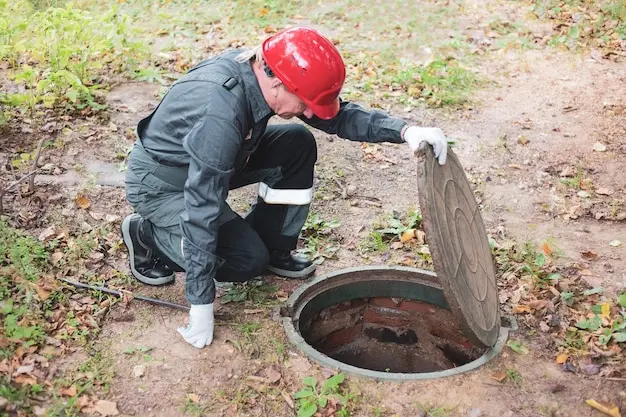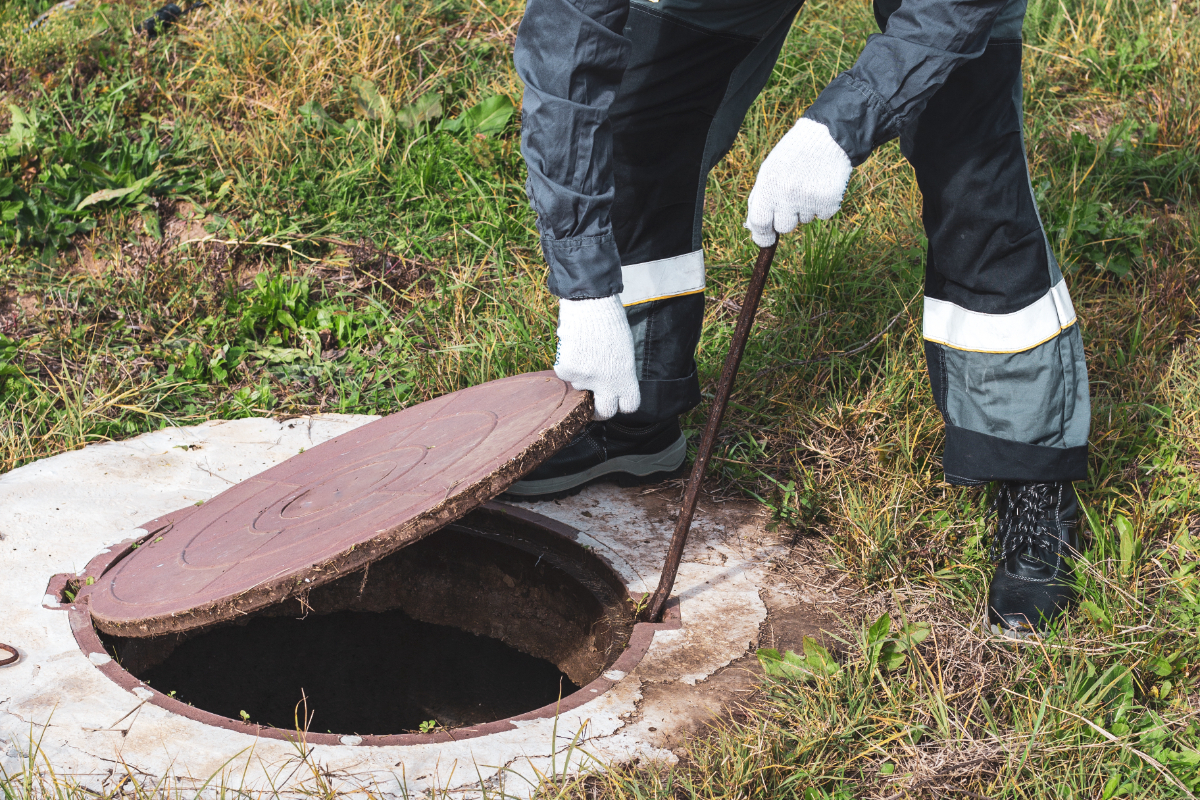
Discover the key signs that your septic tank needs emptying, such as foul smells, slow drains and water pooling. Knowing these signs early helps keep your septic system working well, protects your home and the environment, and reduces the risk of costly repairs. If you spot problems, arranging professional septic tank emptying and septic tank maintenance as soon as possible is essential.
How a Septic Tank Works and Why Emptying Is Important
A septic tank is a key part of the drainage system for many homes that are not connected to the mains sewers. Wastewater from toilets, sinks, baths, showers and appliances flows through pipes into the tank. Inside the tank, heavier solids sink to the bottom and form a sludge layer, lighter fats and oils float to the top and form a scum layer, and clearer liquid collects in the middle.
This liquid then flows out into the drain field or drainage field, where it slowly filters through the ground. If the tank is not emptied, the sludge and scum build up over time and reduce the space inside the tank. When the septic tank is full of solids, the system cannot separate waste properly. Solids can enter the drain field and drainage system, which may lead to blockages, sewage backup, bad smells and damage to your property.
Emptying and cleaning the tank at the right time helps keep your septic system healthy, prevents serious issues and protects the local environment.
Slow Drains in Your Home
One of the first and most common warning signs that your septic tank needs emptying is slow drains in your home. You might notice that sinks, baths, showers and toilets take longer than usual to empty. These slow drains can happen in more than one room at the same time, which shows the problem is not just a single blocked pipe.
As waste builds up in the tank, the sludge and scum layers reduce the space for new wastewater to enter. When that happens, the tank may struggle to discharge liquid into the drain field. Wastewater then backs up in the system, which causes slow drains around the house and puts pressure on the pipes.
You may also hear gurgling sounds or gurgling noises from the pipes when water drains away or when you flush the toilet. This can be a sign that air is trapped because liquid levels are high and the flow through the system is restricted. These are clear signs that your septic tank is full or close to full and needs to be emptied.
If you act quickly when you notice slow drains, you can avoid more serious issues, such as sewage backup into your home, and help keep your septic system in good condition.
Toilets Flushing Poorly and Sewage Backups
Another strong sign that your septic tank needs emptying is when toilets are hard to flush or they fill right up and take a long time to go down. If more than one toilet in the house is affected, this often means there is a problem with the septic system rather than just the toilet itself.
In more serious cases, you may see signs of sewage backup. This can include wastewater or solids coming back up into toilets, sinks, baths or showers. Sewage backup is a clear warning that the tank is full and that waste has nowhere to go. It is also a health risk for people and pets, and it can cause damage to floors, walls and other parts of the home.
If you notice these problems, your tank needs urgent attention. The tank needs to be emptied and checked by a professional team to make sure there is no damage to the drainage system or drain field.
Unpleasant Smells Around the Property
Foul odours around your home are one of the easiest signs to spot. A septic tank is designed to deal with sewage and wastewater without creating strong smells. When everything is working as it should, gases stay inside the system and are safely vented.
When the tank becomes too full of sludge and solids, it becomes less effective at separating and treating waste. Gases, such as methane and hydrogen sulphide, can escape through external drains, vents or the ground above the drainage field. These gases smell like rotten eggs and are a clear sign of a problem with the septic tank.
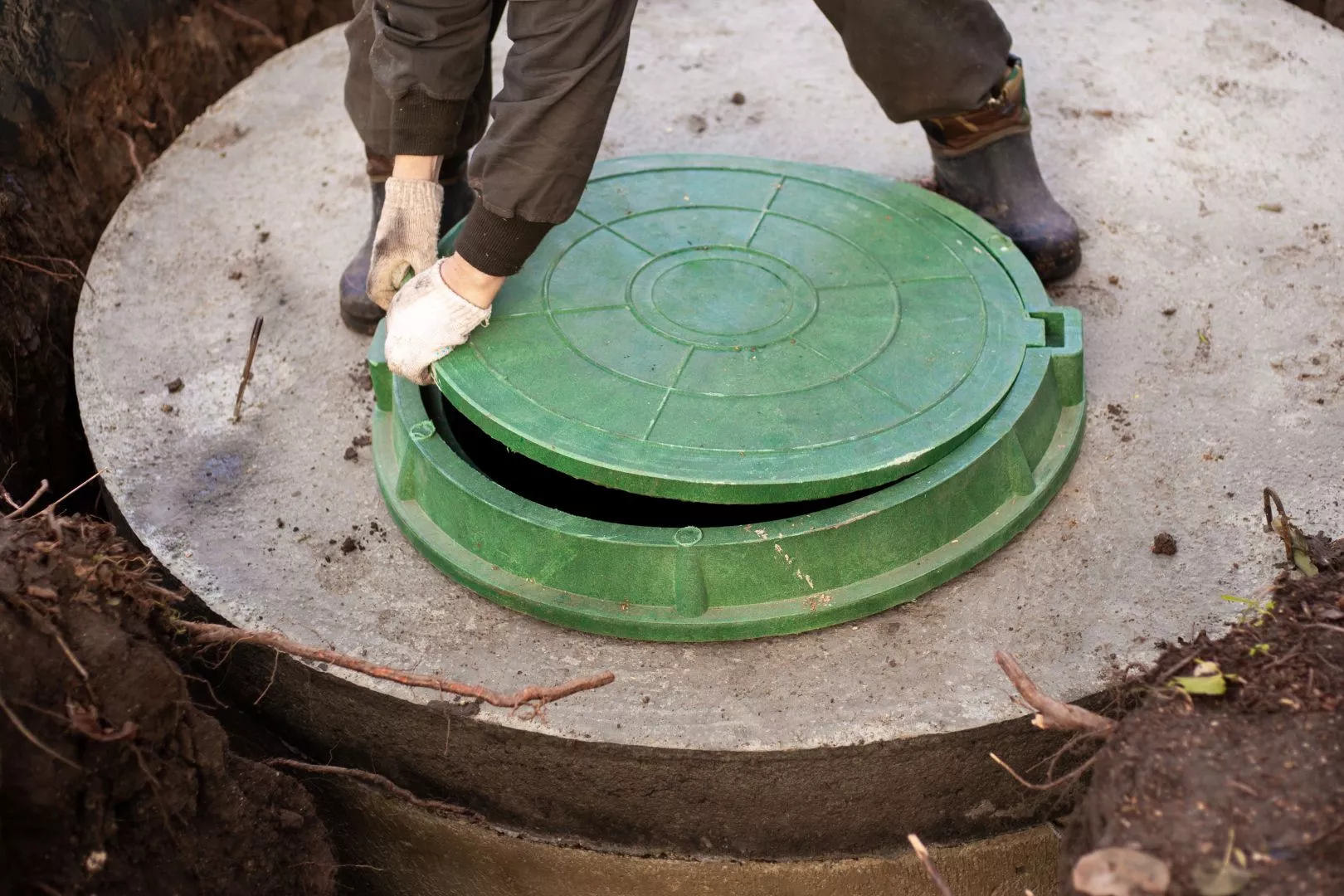
Odours may be strongest near the tank, the drain field, outdoor inspection covers or external draines. Indoors, smells may appear around sinks, toilets and other drains, especially after heavy water use or in warm weather, when gases are released more quickly.
Ignoring smells can lead to further problems, including damage to the soakaway or drainage field and pollution of the surrounding area. If you notice persistent odours, contact a professional who can inspect and empty the tank and offer expert advice on any further work needed.
Pools of Water or Damp Patches Outside
Pools of water or damp, soggy patches in the garden near the tank or drain field often mean the septic tank needs emptying. In a healthy system, treated wastewater leaves the tank and slowly soaks into the ground. When the septic tank is full, this process is disturbed and liquid may rise to the surface.
As more solids and sludge collect inside the tank, there is less room for incoming liquid. The tank may then release larger volumes of wastewater at once, which can overload the drain field. The soil becomes saturated and cannot absorb more liquid, so water begins to pool on the surface and the ground may feel soft underfoot even during dry weather.
Over time, this extra moisture can damage the soil structure and reduce its ability to filter wastewater. This can lead to long term issues with the drainage field and may even require a full replacement of the system, which is expensive and disruptive to your property. Acting early by arranging septic tank emptying can help prevent such costly repairs.
A Lawn That’s Too Green or Lush
Many people are pleased to see green grass in their garden, but a patch of lawn that looks much greener, denser or more lush than the rest of the area can be a sign of septic tank problems. When your tank is working as it should, treated wastewater disperses underground. It gives some moisture to the soil, but not so much that it changes the colour of the grass.
If the septic tank is full or overloaded, extra nutrient rich wastewater containing solids and organic matter may enter the drain field. This wastewater acts as a strong fertiliser. The grass above the affected area then grows faster, looks brighter and may stay green even during dry spells.
That greener patch may also feel wetter or softer, and you might notice more insects such as flies and mosquitoes. These are signs that wastewater is reaching the surface and that your septic tank needs to be emptied and checked. Dealing with this early will help protect your garden, your property and the environment.
Gurgling Sounds from Pipes and Drains
While some noise from pipes is normal, frequent gurgling sounds from sinks, baths, toilets or other drains can point to a problem. When the septic tank is full or nearly full, air pockets can build up in the pipes as wastewater struggles to move through the system. This can cause gurgling noises whenever you run taps or flush toilets.
If gurgling is combined with slow drains, bad smells or damp patches outside, it is a strong sign that your septic tank needs attention. The tank may be reaching its limit and needs to be emptied soon to prevent more serious issues.
How Often Should You Empty a Septic Tank
How often you need to empty a septic tank depends on several things. These include the tank size, the number of people living in the house, how much water is used and the type of waste that enters the system. As a general guide, many septic tanks need emptying every 3 to 5 years, but busy households may need more regular maintenance, sometimes every year or two.
Smaller tanks fill up more quickly, especially if there is a large household or heavy water use from long showers, baths, washing machines and dishwashers. If too much waste and water enters a small tank, it can soon become overloaded.
Regular septic tank maintenance helps you keep your septic system working well and reduces the chance of unexpected problems. A professional can check sludge levels, advise when the tank needs to be emptied and give information on how to use water more wisely to protect the system.
Preventing Problems and Looking After Your Septic System
Good habits in daily life will help keep your septic tank and drainage system in good condition. Try to avoid flushing items like wipes, cotton buds, nappies, sanitary products or large amounts of kitchen roll, as these do not break down easily and add to the solids in the tank. Pouring fats, oils and grease down sinks can also cause problems, as they harden and reduce the flow of wastewater.
Spreading out laundry and dishwashing loads over the week helps reduce pressure on the system. This gives time for wastewater to pass through the tank and drain field instead of overloading them in a short period. Simple changes like fixing dripping taps and using water efficient toilets and showers can also make a difference.
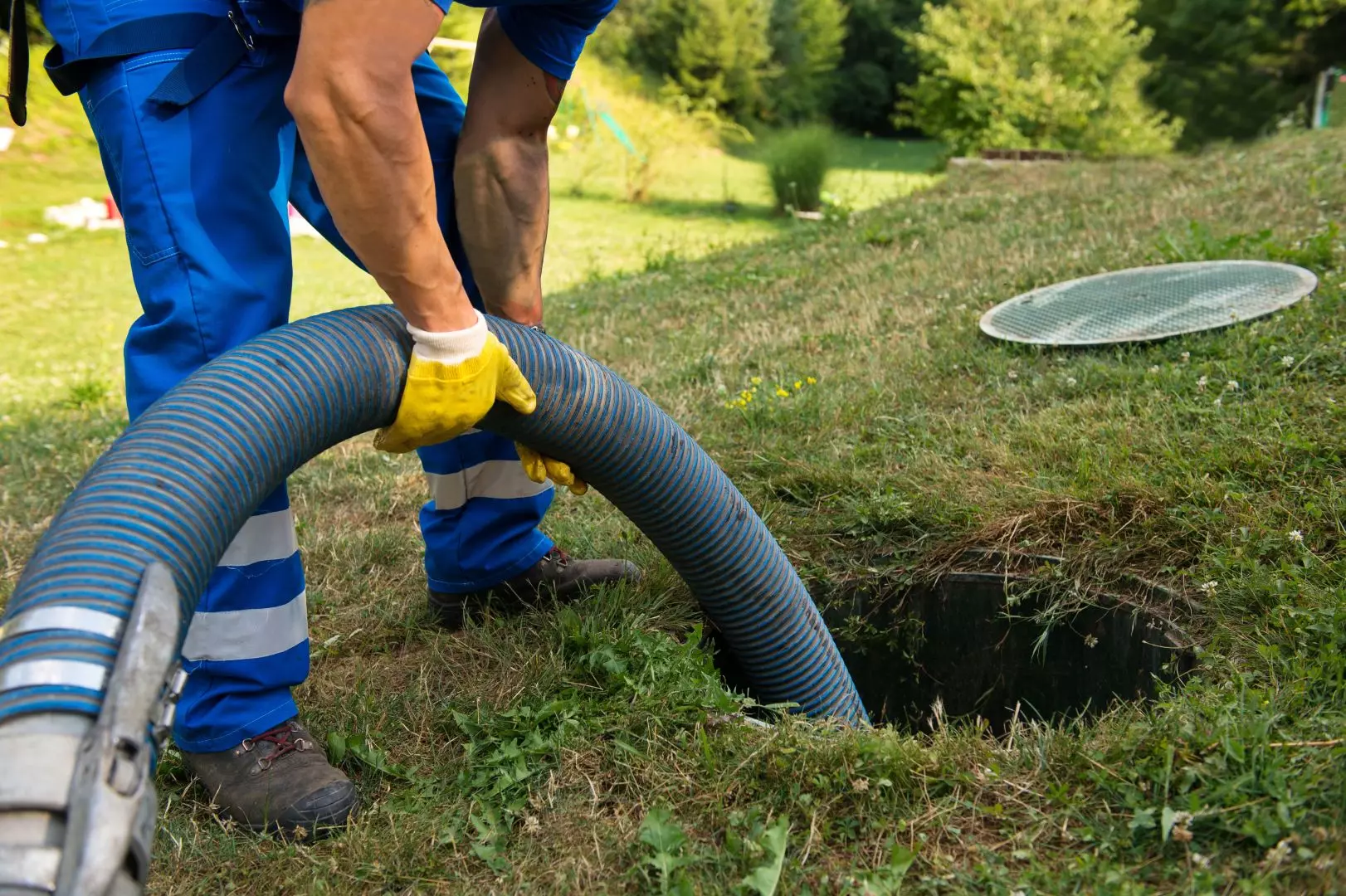
To keep your septic system healthy, it is important to arrange regular septic tank emptying with a trained, professional team. They have the right equipment to pump out and clean the tank safely, check for issues such as cracks, blockages or damage, and offer expert advice on any extra maintenance your property may need.
Why Timely Emptying Is Essential
Ignoring the signs that your septic tank needs emptying can lead to serious issues. These include:
- Damage to pipes, drains and the drain field
- Sewage backing up into the home
- Pollution of nearby ditches, streams and soil
- Bad smells around the property and wider area
All of these can lead to costly repairs and may affect the value of your house. Dealing with problems early is the best way to protect your home, your health and the environment.
Regular emptying also helps ensure the tank works as it should for a long time. A well maintained system can last for many years, while a neglected one may fail long before its time and require full replacement.
Signs Your Septic Tank Needs Emptying: When to Contact a Professional
If you notice any of the signs above, such as slow drains, gurgling noises, foul smells, water pooling in the garden or a patch of grass that is much greener than the rest, it is likely that your tank may be full or close to full. Your septic tank needs to be inspected and may need to be emptied as soon as possible.
Only trained professionals should empty a septic tank, as it contains harmful gases and sewage. A skilled team will have the right equipment to pump the tank safely, dispose of waste in line with environmental rules and check that everything is working correctly.
For clear information on septic tank maintenance in your area, or to arrange for your tank to be pumped and cleaned, you can contact Mike Barker Septic Tank Emptying through the website. The team can help you find a safe and efficient way to keep your septic tank, drain field and drainage system in good working order and reduce the risk of future issues.
We provide professional septic tank emptying services in Helston, Penzance, Redruth and Cornwall. Our experienced team provides fast, reliable waste removal services to help prevent blockages, overflows, and structural damage. Our routine disposal services can keep your property compliant, hygienic, and safe from potential health and environmental risks.