Regular sewage treatment plant emptying is an important part of keeping your system working properly. Removing built-up sludge can help prevent blockages, unpleasant smells, overflows and damage. In this article, we explain the main benefits of regular emptying, when it may be needed and how it can help protect the surrounding environment.
Why Do Sewage Treatment Plants Need to Be Emptied?
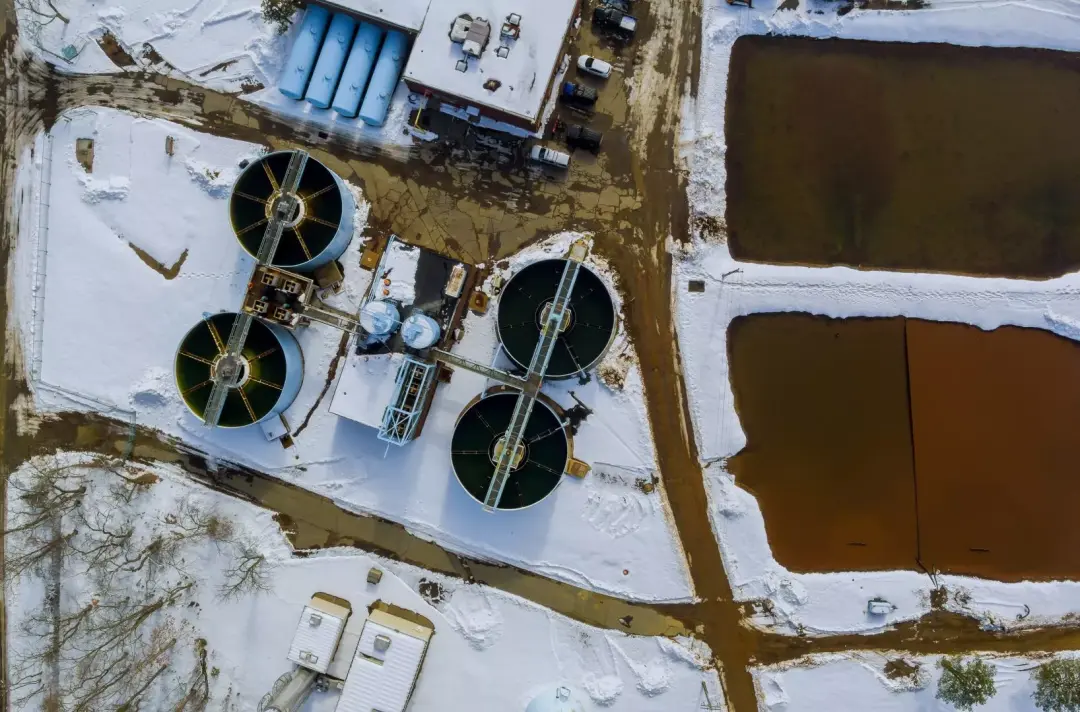
A sewage treatment plant is a system that's used to treat wastewater from toilets, sinks, showers and other household or commercial facilities that are not connected to the main sewer network. The plant treats the sewage using a combination of settling, biological processes and, in some systems, aeration. This helps reduce the risk of harmful substances staying in the water before it is safely discharged.
Over time, solid waste and sludge can build up inside the treatment plant, and although the plant itself breaks down most of the waste, some waste cannot be fully treated and remains in the system. This sludge must be removed at certain times so that the plant can continue working efficiently. If too much sludge builds up, it can reduce the space inside the plant and interfere with the biological breakdown process. This can damage the system and lead to poor-quality discharge, unpleasant smells and blockages.
Emptying the plant also reduces the risk of untreated sewage escaping into the surrounding ground, drains or watercourses, helping to protect the local environment. If you would like to learn about these issues in more detail, check out our article on The Problems An Overfilled Sewage Treatment Plant Can Cause.
How Often Should a Sewage Treatment Plant Be Emptied?
How often a sewage treatment plant needs to be emptied depends on the size of the system, how many people use it and the amount of wastewater it receives. As a general guide, many domestic sewage treatment plants need to have their excess sludge removed around once a year. However, some systems may need to be emptied more often if they're used by more people or if you have a high water demand.
Plants in commercial properties may also need to be emptied more frequently due to heavy usage. In this case, the manufacturer’s instructions should always be followed since different treatment plants have different maintenance requirements. Regular servicing can help identify when your sludge levels are too high, allowing you to empty the tank and increase the plant’s treatment capacity.
If you're unsure about how treatment plants work, our article on How Sewage Treatment Plants Work should be able to help. In this article, we dive into what the different treatment stages are and how the system works to purify your wastewater.
What Are the Signs That a Sewage Treatment Plant Needs Emptying?
There are several signs that suggest your sewage treatment plant needs emptying, and one of the most common is unpleasant smells around the plant, drains or discharge area. These smells often develop because too much sludge has collected inside the system.
Slow-draining toilets, sinks and showers are also signs your plant needs emptying, and if the wastewater cannot move through the treatment plant properly, there may be excess sludge or a blockage reducing its capacity.
Another warning sign is sewage backing up into your drains or toilets. This issue needs to be addressed as soon as possible because it suggests that the system is too full or is not working correctly.
Pools of wastewater, unusually wet ground, or sewage appearing near the plant can also suggest there's an overflow or discharge problem, and any changes in the appearance or smell of the treated water can indicate that the plant's treatment method is becoming less effective.
How Emptying Can Help Prevent Blockages and System Failures
Regularly emptying a sewage treatment plant helps prevent excess sludge and solid waste from building up inside the system. If too much material collects inside the plant, it can reduce the available space for wastewater treatment and restrict the movement of water through the plant.
A large build-up of sludge can also block the pipes, pumps and other parts of the system, which can lead to poor treatment methods, sewage backups, overflows or complete system failures. Removing excess sludge at the right times can help the treatment plant continue working as intended and reduce unnecessary strain on its components.
An overflowing or damaged treatment plant can release poorly treated or untreated sewage onto nearby land or into watercourses, and sewage often contains harmful bacteria and other microorganisms that can cause illnesses if you come into contact with them.
How Regular Emptying Can Help Reduce Unpleasant Smells
Regular sewage treatment plant emptying can help reduce unpleasant smells by removing the sludge and solid waste that builds up inside the system. As this material collects inside the plant, it can begin to break down and produce gases that have strong odours. If too much sludge remains in the system, it can begin to affect how well the treatment process works.
Poor treatment or blocked pipes can allow sewage to remain in the system for longer than it should, which can increase your exposure to unpleasant smells around the plant, drains or discharge area. Emptying the plant regularly can help you maintain the correct working capacity of the plant and reduce the risk of sludge settling in areas where it should not be present.
Reducing the stench of sewage is important for people living or working near the plant since strong odours can make your property unpleasant to be around. Regular emptying, servicing and maintenance can help you control these odours and identify problems with the system before they become serious.
How an Overfilled Sewage Treatment Plant Can Affect the Ground
An overfilled sewage treatment plant can affect the surrounding ground if wastewater or sludge begins to escape from the system. This can happen when too much solid material has built up inside the plant, reducing its available space and affecting how well the wastewater is treated. If untreated or poorly treated sewage reaches any nearby land, the ground can become waterlogged and contaminated.
Sewage often contains harmful bacteria and other microorganisms, as well as nutrients such as nitrogen and phosphorus. These substances can affect the soil's quality and can create health risks if people or animals come into contact with the contaminated areas. Escaping wastewater can also move through the soil and potentially reach your groundwater or nearby watercourses, which can lead to water pollution and harm the local environment.
How Poorly Maintained Treatment Plants Can Contaminate Soil
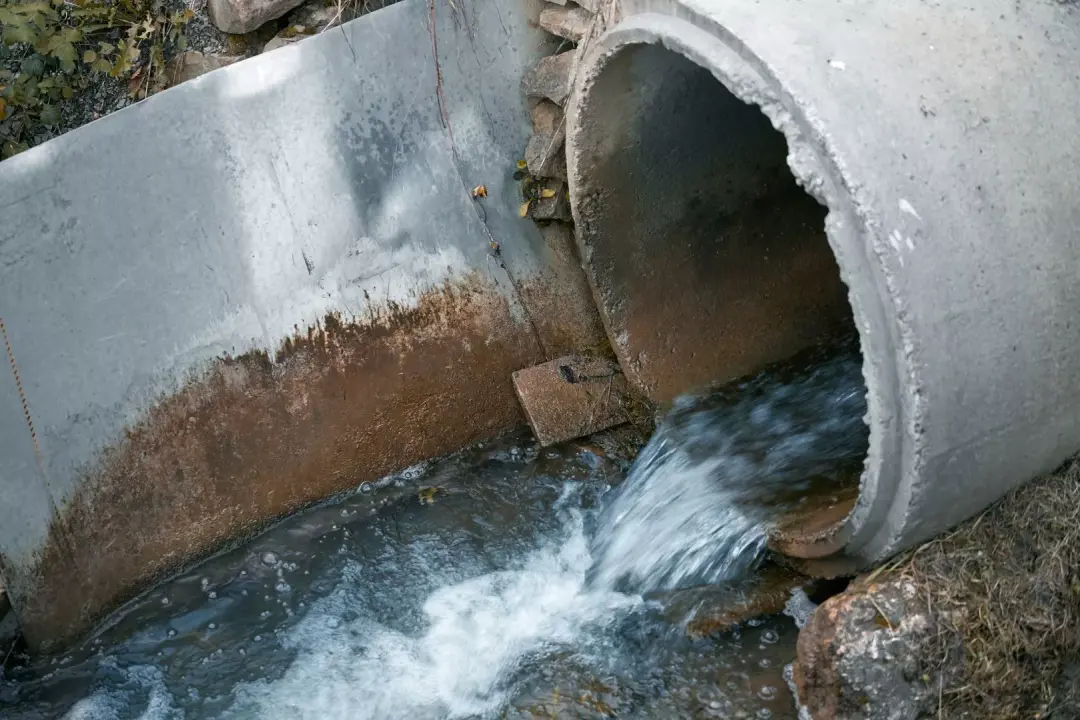
Poorly maintained or overflowing sewage treatment plants can contaminate the nearby soil if the untreated or partly treated wastewater escapes from the system. This can happen when sludge builds up inside the plant, when the pipes become blocked or if the plant can no longer treat wastewater effectively.
Escaping sewage can contain harmful bacteria, viruses, organic waste and nutrients, and if these substances enter the surrounding soil, they can create unpleasant smells, affect the soil's condition and increase the risk of any nearby groundwater or surface water becoming contaminated.
Regular emptying helps prevent excessive sludge from building up inside the treatment plant, and removing this waste allows the system to have enough space for the treatment process to work properly. It also reduces the risk of blockages, overflows and poorly treated wastewater leaving the plant.
Why Professional Sewage Treatment Plant Emptying Is Important
Sewage contains harmful bacteria and other microorganisms, so coming into direct contact with the plant can create health risks. Professionals use suitable equipment and protective gear to handle and remove the waste safely.
They can also empty the system without damaging any important components. This is important since emptying the plant incorrectly can affect the treatment process or cause unnecessary damage to the pumps, pipes and other equipment.
Trained professionals also make sure that any sludge is transported and disposed of through suitable waste management routes. This is important because sewage waste must not be released onto land, into drains or into watercourses since it could cause pollution.
Mike Barker Septic Tank Emptying provides professional sewage treatment plant emptying services for properties in and around Helston. Our trained specialists can remove built-up sludge safely and efficiently, helping to prevent blockages, unpleasant smells and system failures.